


Choosing the right program matters: the curriculum, hands-on training, local industry links, and placement strength decide whether a tourism degree becomes a launchpad or a certificate that sits on a shelf. If you’re evaluating a Tourism and hospitality course in Dehradun, this guide walks you through what to expect in 2025, how Dehradun’s ecosystem amplifies learning, why Verma Institute of Management Studies should be on your short list, and exactly what steps to take to convert study into a career.
Why students are searching for a Tourism and hospitality course in Dehradun now

Dehradun sits at the nexus of hill-state tourism, adventure circuits, and growing boutique hospitality. Students want programs that blend theory with fieldwork: sustainable tourism, experience design, revenue management, food & beverage operations, and digital hospitality marketing. They’re also searching for affordability and placement outcomes. A program that promises internships in real hotels, exposure to Uttarakhand’s eco-tourism projects, and training in the latest hospitality tech answers that search intent directly.
What a modern Tourism and hospitality course in Dehradun must include

A productive program balances classroom rigor with on-the-job practice. The essentials are:
- Core hospitality foundations: front office management, housekeeping operations, food & beverage management, and kitchen operations.
- Tourism modules: destination management, tour planning, sustainable & community tourism, and regional studies (critical in Dehradun because of Uttarakhand’s mountain and pilgrimage circuits).
- Business skills: revenue management, digital marketing for travel, CRM, events & MICE management.
- Technical + soft skills: property management systems, yield management tools, communication, guest psychology, and multi-lingual guest handling.
- Capstone internship and live projects: at least one semester of supervised industry placement with measurable KPIs.
A Tourism and hospitality course in Dehradun that omits internships or digital hospitality tools is already behind the market. Practical training (real shifts in hotels, supervised F&B service, revenue simulations) is what employers hire for.
Why Dehradun is a strategic place to study hospitality
Dehradun is more than a picturesque campus location. It’s a living lab for tourism and hospitality trainees:
- Proximity to hill stations (Mussoorie, Chakrata) and pilgrimage routes creates varied hospitality settings — resorts, boutique hotels, homestays, and eco-lodges.
- Growing domestic travel trends for experiential and adventure tourism create demand for versatile graduates.
- Local government initiatives to promote sustainable tourism and adventure circuits mean students can participate in policy-adjacent projects and community tourism pilots.
If you want a Tourism and hospitality course in Dehradun that doubles as field schooling, pick programs with local industry tie-ups and community projects.
Verma Institute of Management Studies — program highlights and what sets it apart
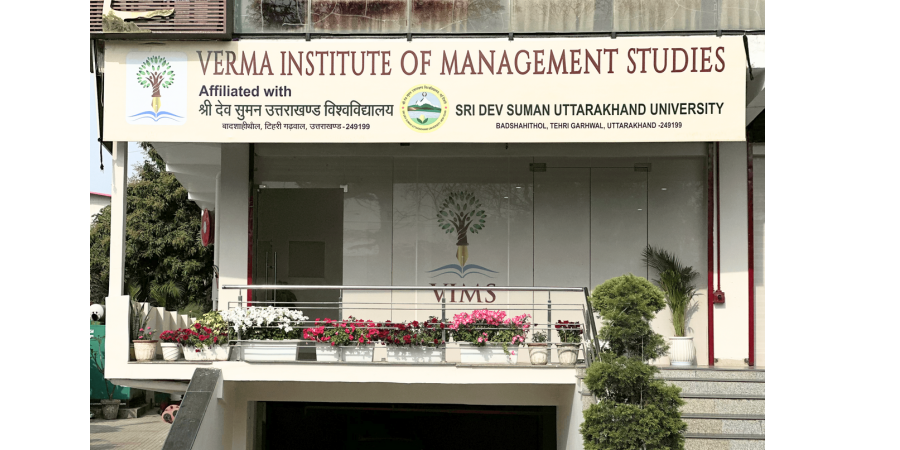
Verma Institute of Management Studies frames education around employability. Here’s what to look for and expect if you enroll in their Tourism and hospitality course in Dehradun:
- Curriculum designed around employability: blended modules in hospitality operations, tourism management, and business analytics tailored to current industry tools.
- Industry-attached internships: semester placements and short stints with hotels, tour operators, and event management firms to build a portfolio of real work.
- Faculty with industry experience: instructors who have worked in hotel operations, revenue management, and tourism development bring practical case studies into class.
- Practical labs and mock operations: kitchen labs, mock front office desks, and simulated property management systems so students graduate job-ready.
- Placement support and soft skills: structured career coaching, interview workshops, and employer networking events.
Plainly put, a Tourism and hospitality course in Dehradun delivered with these elements converts coursework into measurable career readiness.
Career outcomes and salary expectations
Graduates from a well-structured tourism and hospitality program enter diverse roles: front office manager, operations supervisor, event coordinator, revenue analyst, tour manager, and resort operations manager. Early-career salaries vary by role and establishment, but the differentiator is hands-on experience: interns often receive pre-placement offers. If you choose a Tourism and hospitality course in Dehradun with strong internships and placement teams, you’ll move into jobs with both faster hiring timelines and clearer upward mobility.
How to evaluate any Tourism and hospitality course in Dehradun — a checklist
Use this checklist before you apply:
- Curriculum relevance: Does the syllabus include digital hospitality tools, sustainable tourism, and revenue management?
- Internship guarantees: Are internships mandatory and assessed? How many hours and with which partners?
- Faculty and guest lecturers: Do instructors have real hospitality experience?
- Facilities: Are there practical labs, tie-ups with local hotels, and a functioning mock front desk or kitchen?
- Placement records and employer partners: Can the college show placement data and recruiters’ names?
- Alumni outcomes: Where do alumni work in years 1–3?
- Cost vs ROI: Fees, scholarships, and the expected time to placement.
A Tourism and hospitality course in Dehradun that meets these points is likely to deliver value; if it fails any one of them, probe deeper.
How to prepare before applying
Start early: visit campus, speak to current students, and ask for a sample internship plan. Build basic hospitality skills: customer service, basic F&B etiquette, and a primer on hotel booking platforms. Create a short portfolio (photos of events you’ve organized, a short case study from a hospitality internship, or a small project about a local tourism route) to stand out in admissions.
Sample 1-year roadmap (what to expect when enrolled)
First term: core theory, soft skills, basic operations labs.
Second term: specialization modules, guest lectures, and field visits.
Third term: intensive internship, capstone project with measurable KPIs (guest satisfaction scores, operational efficiency improvements).
This structure turns theoretical learning into employable skills, and it’s the framework you should insist the Tourism and hospitality course in Dehradun follows.
FAQs
Q: What is the typical duration of a Tourism and hospitality course in Dehradun?
A: Programs range from 6-month certificate courses to 3-year degrees; professional diploma and bachelor’s options are common — choose based on career goals.
Q: What are the admission requirements?
A: Usually 10+2 for diploma/degree programs; some institutes require entrance tests or interviews. Practical experience or a short project helps.
Q: Are internships paid?
A: Many internships are stipend-based; top hotels may offer paid internships or pre-placement offers based on performance.
Q: Will I need to relocate to Dehradun?
A: If you join an on-campus program, yes; Dehradun’s campus life and local placements are part of the value.
Q: How soon can I expect a placement?
A: With strong internships and active placement cells, many students secure roles at or just after graduation; performance during internships is decisive.
Conclusion — making the right choice
A Tourism and hospitality course in Dehradun can be a fast track to a resilient, global career — provided the program ties classroom learning to real industry experience and updated digital skills. Verma Institute of Management Studies positions itself as an applied, placement-focused option: seek evidence of internships, faculty experience, and placement outcomes before you commit. If your priority is a program that transforms you into an employable hospitality professional — not just a certificate holder — use the checklist above and prioritize institutions that promise measurable internships and employer connections.
